

CPPCC Members Call for Scaling AI Smart O&M Energy Tech in Putuo’s Existing Public Buildings for a Smarter, Warmer, Resilient City
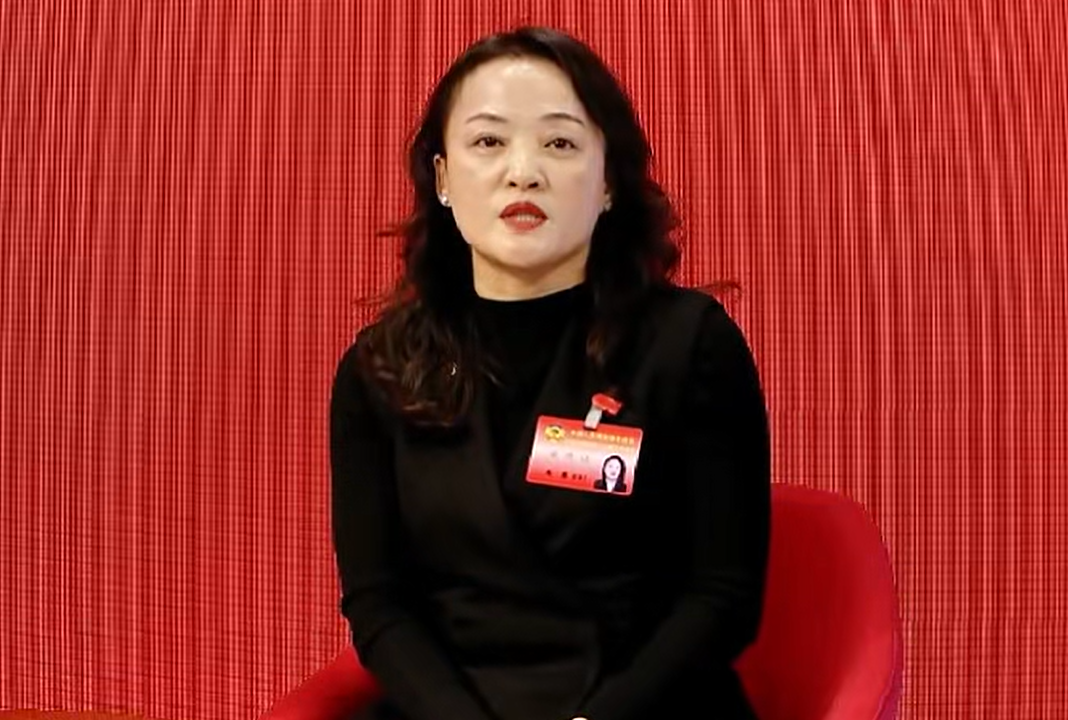
At this year’s Putuo District “Two Sessions” (the People’s Congress and CPPCC sessions), Zhao Hui, a district CPPCC member and General Manager of Shanghai Shengwei Electronic Technology Co., Ltd., put forward proposals focused on scaling up the application of AI‑powered smart operation and maintenance (O&M) energy‑saving technologies for existing public buildings across the district.
As a central urban area of Shanghai, Putuo has a large stock of existing buildings of various types, making it a critical battleground for the green and low‑carbon transition. The district has set a clear target to retrofit over 3.6 million square meters of existing public buildings for energy efficiency during the 14th and 15th Five‑Year Plan periods, while actively encouraging the adoption of AI technologies.
Zhao Hui pointed out that “traditional building O&M faces bottlenecks such as heavy reliance on manual labor, weak coordination in management, and high costs with long renovation cycles.” In contrast, the new generation of AI‑driven O&M energy‑saving technology, built on an AIoT foundation, requires no large‑scale retrofitting and offers the advantages of being lightweight, intelligent, and fast to deploy. It can reduce energy consumption by 10%–30% and has already delivered proven results in multiple projects.
To this end, Zhao Hui called on Putuo District to focus on three areas: policy innovation, creating demonstration scenarios, and fostering an industrial ecosystem. She recommended that the AI O&M energy‑saving technology be included in the district’s special subsidy catalogue for green buildings, that ten high‑energy‑consuming buildings be selected as model projects, and that the technology be scaled up to support Putuo in building a “model” for green and low‑carbon urban renewal.
“If this technology is fully rolled out across all public buildings in the district,” Zhao Hui added, “annual energy consumption is expected to be reduced by 10% to 15%, and the renovation cycle could be shortened to just 10% of what it typically takes under conventional approaches.”
澎湃新闻:委员之声丨政协委员热议普陀发展蓝图:让城区更智慧、更有温度、更具韧性
加速普陀区既有公共建筑智慧运维AI节能技术规模化应用
今年的普陀区“两会”上,区政协委员、上海晟卫电子科技有限公司总经理赵慧围绕着辖区既有公共建筑AI智慧运维节能技术规模化应用提出建议。
普陀作为上海中心城区,既有建筑体量大、类型多,是绿色低碳转型关键阵地。普陀区明确“十四五”和“十五五”期间完成360万平方米以上既有公共建筑节能改造,鼓励AI技术应用。
赵慧说:“传统建筑运维存在人工依赖强、管理协同弱、改造成本高周期长等瓶颈。而新一代AI智慧运维节能技术以AIoT为基础,无需大规模改造,兼具轻量化、智能化、快速化优势,可降耗10%—30%,且已在多项目落地见效。”
为此,赵慧期待普陀区从政策创新、打造示范场景、培育产业生态三方面发力,建议该AI智慧运维节能技术纳入区级绿色建筑专项补贴目录,打造10处高耗能建筑样板,推动技术规模化落地,助力普陀打造绿色低碳城市更新“样板”。
“若在全区公共建筑中全面推广该技术,预计年均可降低能耗10%—15%,改造周期可缩短至传统模式的10%。”赵慧表示。
创新房票机制,绘就幸福底色
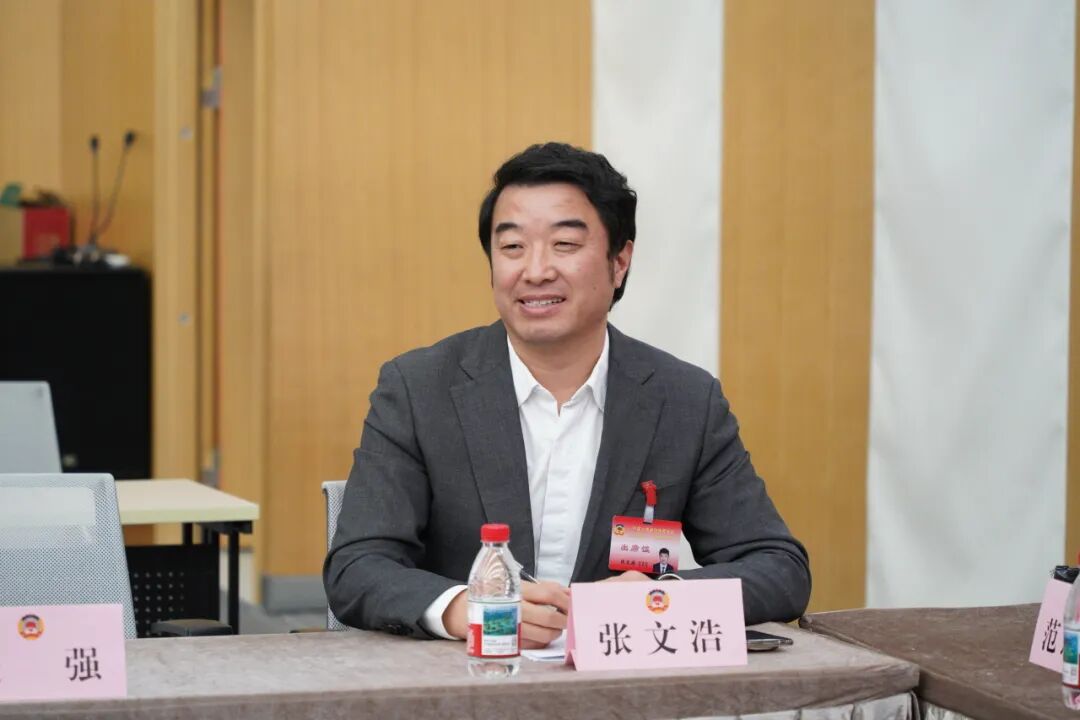
认真聆听今年的区政府工作报告,区政协委员、上海中睿房地产经营有限公司总经理张文浩对于深入推进城市更新相关内容有着自己深入的思考。他深入调查研究,结合上海多区房票试点经验,撰写了提案建议,希望进一步创新房票机制,实现动拆迁和商品房销售的“双向赋能”。
针对征收过程中普遍存在的谈判难、房源适配难、资金外流等问题,张文浩也给出具体方案。他指出,可探索建立区内新房房源超市,提供“安置房+房票+货币”自由组合方案,为实现居民“安居梦”提供更多选择,绘就幸福底色。
“报告总结全面、高屋建瓴、催人奋进。作为政协委员我也深感责任重大、使命光荣。”张文浩表示,新的一年,他也将继续深入基层一线、提升履职能力,建诤言、献良策。
提升城市应急管理和韧性安全水平
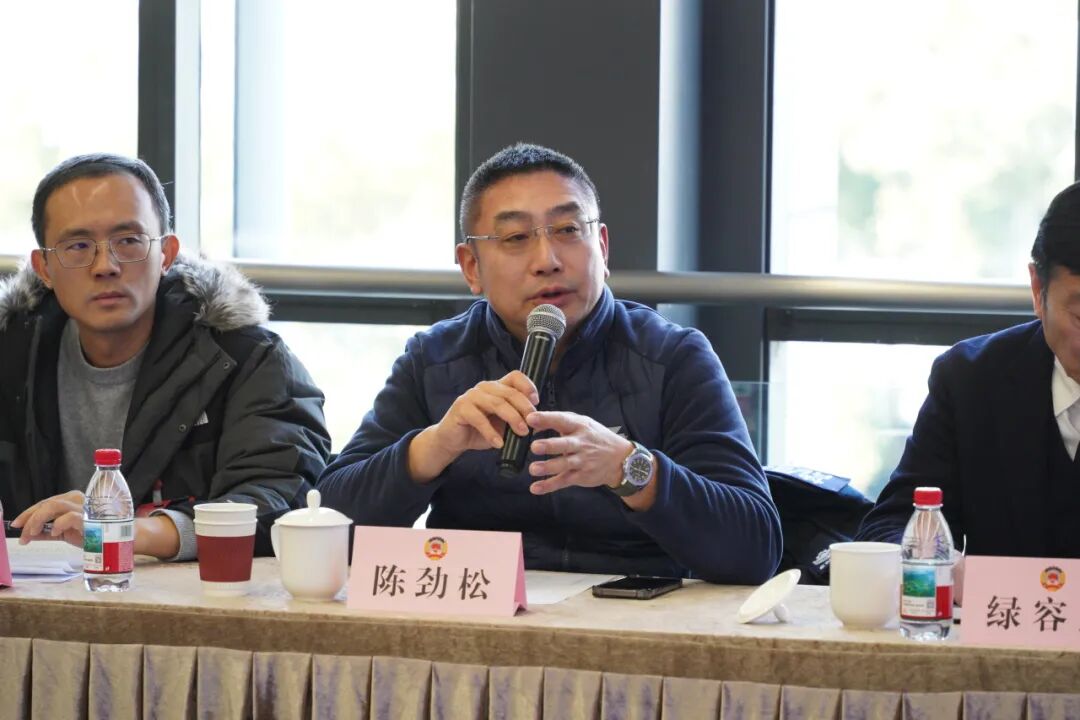
建设韧性安全城市是超大城市治理现代化的重要方向。结合自身工作领域,区政协委员、上海市无人机产业协会常务副会长、上海快反应急救援保障中心理事长陈劲松对于区政府工作报告中这方面的内容尤为关注。
“普陀区作为上海的中心城区,经济载体多,城市居民多,在新形势新情况下,要持续提升应急管理水平和城市韧性安全水平。”陈劲松认为,应将韧性思维全面融入城市规划、建设与运行全过程,加强对各类风险的智能感知与精准管控。针对极端灾害频发,他建议结合区域特点适度提升基础设施设防标准,强化城市生命线系统的抗灾韧性。
他还指出,应深化云计算、人工智能、无人科技等现代信息技术在应急管理中的应用,构建智能化安全管控平台。此外,须加强社会应急文化建设,推动公共安全教育,形成“人人讲安全、个个会应急”的防线。“要推进现代科技与韧性安全建设深度融合,同时动员社会多元参与,凝聚城市安全治理合力。”陈劲松说。
原标题:《委员之声丨政协委员热议普陀发展蓝图:让城区更智慧、更有温度、更具韧性》